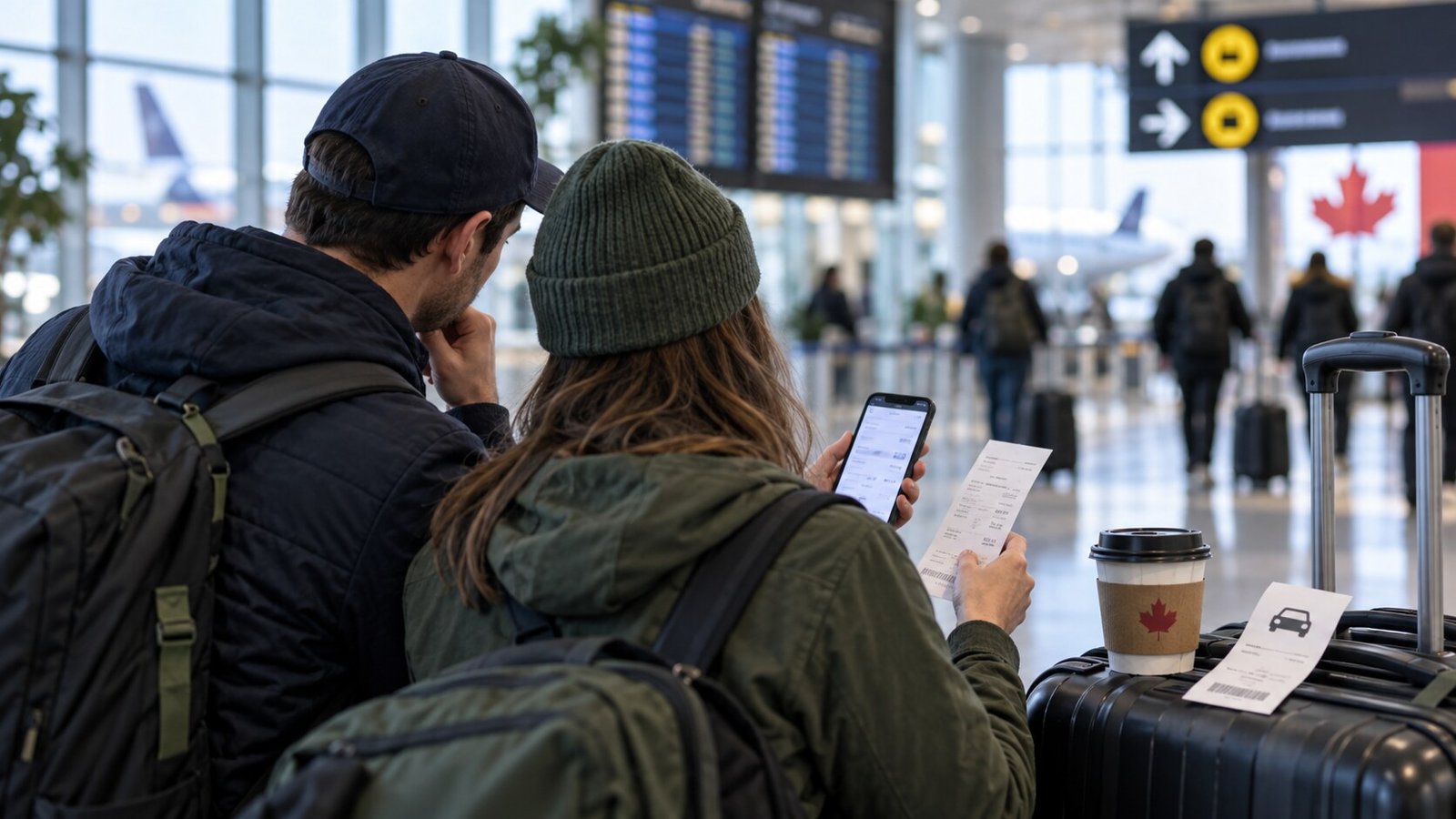
Canada has proposed seeking private investment through long-term concessions to operate the major airports in Toronto, Montreal, Calgary and Vancouver. The government says it would keep ownership of the underlying land and assets. No passenger-fee increase has been announced, and no final concession has been signed.
Canadian travellers do not need a lecture on airport costs. The fare is only the opening bid. Add an airport improvement fee, parking, a meal, luggage, a seat and a ride to the terminal, and the “cheap” flight can become a very different number.
That is why Ottawa’s plan to invite private capital into the operation and growth of the country’s four largest airports deserves more attention than the phrase “unlock value” usually receives. The proposal may attract capital and expertise. It may also create pressure for higher commercial returns. Both possibilities can be true.
Toronto, Montreal, Calgary and Vancouver were named in the long-term concession plan.
What is actually confirmed
Prime Minister Mark Carney said Canada would seek private investment through long-term concessions for the four airports. Reuters reported that the underlying land and assets would remain publicly owned and that investors would compete through a regulated process. Transport Minister Steven MacKinnon said Canadian pension plans were expected to show strong interest, with possible participation from foreign investors.
This is not the same as selling the airports outright. A concession generally gives an operator the right and obligation to run an asset under a long contract, subject to the terms written by government. The details of those terms—pricing rules, investment commitments, service standards and oversight—are where the traveller impact will be decided.
What has not been decided
- No winning operator has been selected.
- No concession length or financial structure has been finalized publicly.
- No new airport improvement fee has been announced as part of the plan.
- No public schedule shows exactly when operations could change.
- No evidence yet proves that parking, food or passenger charges will rise because of the proposal.
Labour groups have warned that private investment could raise costs for travellers. That is a risk argument, not a confirmed price announcement. The responsible response is to watch the contract rules rather than pretending the ending is already known.
Where the cost pressure could appear
Airport economics are spread across more categories than most receipts show. Travellers can pay directly through airport improvement fees, parking, ground transportation, retail prices and some facility charges. Airlines separately control fares, bag fees, seats and other optional charges. Taxes and security charges can come from government programs.
A private operator might invest in capacity and technology that lowers delays or creates new revenue without raising core passenger charges. It might also try to earn a return through higher rents, parking rates, retail agreements or regulated fees. The concession agreement determines what is permitted and how aggressively it can happen.
“Public ownership” is reassuring but incomplete. Travellers should ask who controls the prices they actually pay, what return the operator is allowed to earn, which service targets are enforceable and whether fee changes require public approval. Ownership is one line in the contract; incentives are the rest of the story.
Five questions Ottawa should answer before any deal
- Which charges will be capped? That includes passenger fees, parking and other airport-controlled costs.
- How will increases be approved? Travellers need a visible formula and an independent appeal process.
- What service standards are enforceable? Faster security, baggage performance and accessibility should not be marketing promises.
- Who carries the risk? The public should know whether taxpayers backstop traffic shortfalls or major overruns.
- Where will the proceeds go? If the government receives an upfront payment, the long-term trade-off should be published clearly.
What travellers can do now
There is nothing to cancel or rebook because of this proposal. Instead, compare the total trip cost: airfare, bag, seat, airport fee, parking or transit and the cost of getting home. If two airports are realistic options, compare the door-to-door number rather than the headline fare.
Keep an eye on consultations, concession documents and the airport authority’s own fee notices. A future increase should be traceable to a specific decision—not accepted because someone vaguely says “privatization.”
Sources and methodology
- Reuters: Canada seeks private investment in four major airports (September 15, 2026)
- Reuters: expected investor interest and regulated process (September 15, 2026)
- Transport Canada: operating airports and aerodromes
Keep reading
See how U.S. interest rates can affect Canada · Track the oil shock’s travel-cost impact · Browse every news story

This page was reviewed and approved for publication by Matelacom Inc. We distinguish confirmed facts from analysis and link material claims to primary or authoritative sources. Corrections: info@matelacom.ca.
For educational purposes only. This article provides general information and editorial analysis, not personal financial, legal, tax or investment advice. Rules, rates, eligibility and market conditions can change; verify current details with the relevant institution before acting.